




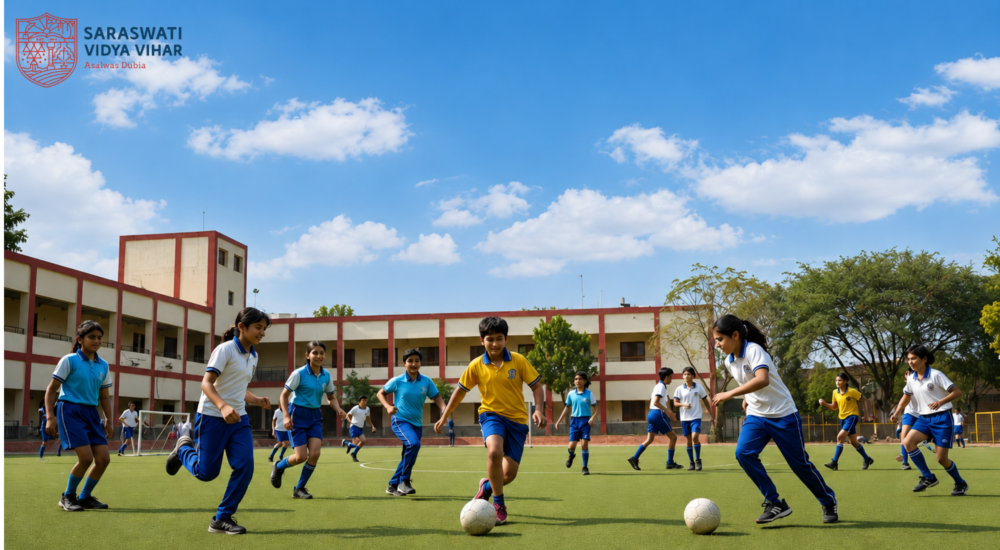
Parents today want schools that support both academics and personal growth. Sports help students stay active during school hours. Regular physical activity teaches discipline that supports classroom learning, and students who play sports often build better study habits. Many parents now pay attention to sports facilities alongside academics, as the best school in Bhiwani encourages sports and help students grow in a balanced way. In this article, we’ve mentioned how sports support student development and help parents choose schools that focus on both academics and physical growth.
Top 10 Ways Participation in Sports Improves Learning Outcomes
Sports support learning in many practical ways as students who stay active often perform better in class. Here are some ways sports improve students’ learning outcomes.
1. Improve Concentration in Class
Students who play sports often stay more focused during lessons. Physical activity helps the brain stay active. Students also feel less tired and more involved in classroom tasks.
Here’s how sports help students improve concentration:
- Students stay mentally alert for longer periods
- Regular activity helps improve memory
- Sports reduce classroom tiredness and low energy
Better concentration helps students complete work on time. It also improves participation during discussions and classroom activities. Many parents searching for the top school in Bhiwani prefer schools that support sports for this reason.
2. Teach Time Management Skills
Students who balance studies and sports learn how to plan their day properly. They understand the importance of managing time for homework and rest. Also, this habit often stays with them for many years.
Here are some ways sports help students manage time better:
- Students learn to follow schedules regularly
- Practice sessions improve planning habits
- Sports reduce delays in completing schoolwork
Good time management helps students stay prepared for exams and assignments. It also reduces stress caused by poor planning, and students become more organized in daily life.
3. Build Discipline and Responsibility
Sports require students to attend practice regularly and follow rules carefully. These habits slowly improve their daily routine. Students also learn the value of commitment and effort.
Here’s how sports build discipline and responsibility:
- Students learn to follow instructions properly
- Regular practice creates consistency
- Team activities teach accountability
Disciplined students often perform better in academics. They understand the importance of routine and hard work. Saraswati Vidya Vihar encourages these habits through balanced learning activities.
4. Help Reduce Stress
Students sometimes feel pressure from studies. Sports give them a healthy way to refresh their mind. Physical activity also supports emotional balance.
The following points show how sports reduce stress:
- Exercise helps lower mental pressure
- Outdoor games improve emotional health
- Sports create a more positive mindset
Students who feel relaxed often focus better in class. They also become more active in school activities. This helps students build a stronger connection with the school environment.
5. Improve Teamwork Skills
Team sports teach students how to work with others in a respectful way. Students learn communication and trust during games. These skills also help inside the classroom.
Here’s how sports improve teamwork skills:
- Students learn to support teammates
- Communication skills improve naturally
- Team activities build respect for others
Good teamwork supports better classroom discussions and group projects. Students become more comfortable sharing ideas with others. This improves learning and social skills together.
6. Increase Self-Confidence
Sports give students regular chances to improve their skills and face challenges. Winning games and learning new activities help students feel more confident. This confidence often helps them perform better in academics too.
Here’s how sports help students build confidence:
- Students learn new physical skills
- Sports teach students to handle failure positively
- Participation improves classroom confidence
Confident students usually speak more openly in class. They ask questions without fear and take part in activities more often. This supports better learning over time.
7. Encourage Better Attendance
Students who enjoy school activities usually attend school more regularly. Sports make school life more enjoyable for many students. This helps students build a stronger connection with the school environment.
The following habits often improve through sports participation:
- Students feel more interested in school life
- Sports increase motivation to attend classes
- School activities create stronger student involvement
Good attendance helps students stay connected with their lessons. They miss fewer classes and perform more consistently in academics. Regular attendance also improves learning habits.
8. Develop Leadership Skills
Sports often give students chances to guide and support others. Students learn how to stay calm during pressure situations. These leadership skills help in daily life.
Here’s how sports help students develop leadership qualities:
- Students learn responsibility during matches
- Team games improve decision-making skills
- Sports encourage students to guide their teammates
Leadership skills improve classroom participation as well. Also, students become more responsible with their studies. Over time, these qualities support long-term personal growth.
9. Improve Physical Health
Healthy students often stay more active during school hours. Sports improve fitness and energy levels through regular movement. Students also build healthier daily habits.
Here’s how sports support physical health:
- Regular activity improves body strength
- Sports help students sleep better
- Exercise supports healthy daily routines
Better health improves focus during classroom learning. Students also feel less tired throughout the day. This creates better conditions for academic performance.
10. Teach Problem-Solving Skills
Sports require smart decision-making during games, and students learn how to adjust their actions when needed. These thinking skills also help in studies.
The following points show how sports improve problem-solving skills:
- Students learn to think quickly during games
- Sports improve strategic thinking habits
- Challenges teach students to stay calm
Problem-solving skills help students handle difficult subjects more confidently. They also improve decision-making during classroom tasks. This supports better learning outcomes over time.
Conclusion
Sports support learning in many practical ways as they help students stay focused and confident during their school years. Also, students who take part in sports often build stronger study habits. Also, parents searching for the best school in Bhiwani, Haryana, often prefer schools that support sports. Saraswati Vidya Vihar encourages balanced student growth.
FAQs
1. How do sports improve academic performance?
Sports improve concentration and time management skills. Over time, these habits help students stay focused during studies.
2. Why are sports important in schools?
Sports support physical health, and they also help students stay active and involved in school life.
3. Can sports help reduce student stress?
Yes, sports help students relax and reduce mental pressure through regular physical activity and outdoor games.
4. Why do parents search for schools with sports facilities?
Parents want schools that support overall student development. Sports help students build confidence, discipline, teamwork, and healthy habits along with academic learning.